⚕️ Lifestyle Diseases & Prevention — A Practical Guide to Long-Term Health

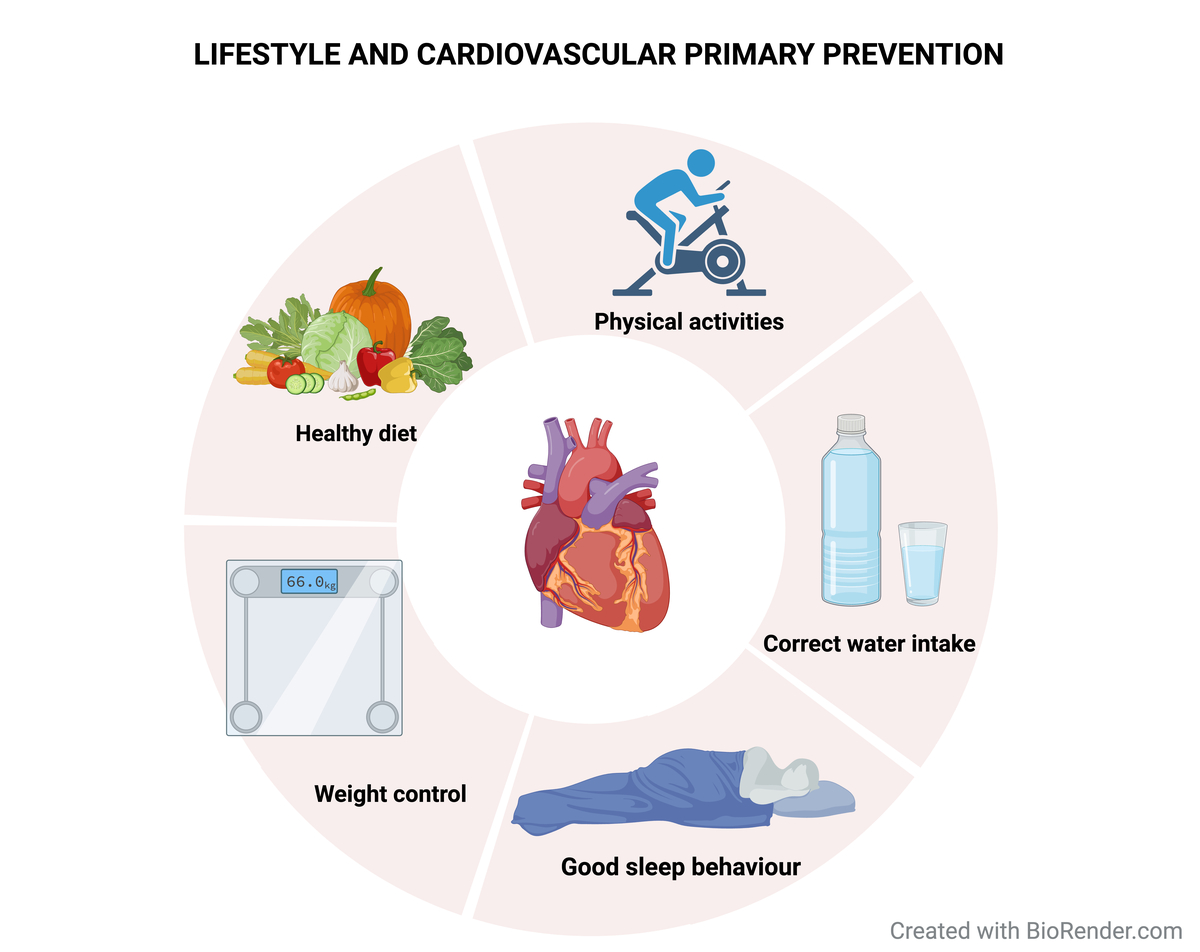


Lifestyle diseases are health conditions that develop mainly due to long-term daily habits — especially related to diet, physical activity, sleep, stress, and substance use. Unlike infectious diseases, these conditions grow slowly and are strongly influenced by behavior and environment. The good news is that most lifestyle diseases are largely preventable through consistent, evidence-based habits.
This page explains what lifestyle diseases are, their main causes, major types, risk factors, and practical prevention strategies you can apply in daily life.
What Are Lifestyle Diseases?
Lifestyle diseases are chronic non-communicable diseases (NCDs) that are closely linked with how people live. According to the World Health Organization, non-communicable diseases account for the majority of global deaths and are heavily influenced by modifiable lifestyle factors.
External reference:
https://www.who.int/news-room/fact-sheets/detail/noncommunicable-diseases
These diseases usually develop due to:
- Poor diet quality
- Physical inactivity
- Chronic stress
- Tobacco use
- Excess alcohol intake
- Poor sleep patterns
Major Types of Lifestyle Diseases
❤️ Heart and Blood Vessel Diseases
These include:
- High blood pressure
- Coronary artery disease
- Stroke risk
Often linked with poor diet, high salt intake, inactivity, and obesity.
Internal reading:
https://belladhealthfitness.com/nutrition
🩸 Type 2 Diabetes
Type 2 diabetes develops when the body becomes resistant to insulin due to:
- Excess refined carbohydrates
- Overweight and belly fat
- Low physical activity
- Poor metabolic habits
Prevention is strongly linked with diet control and movement.
External reference:
https://www.cdc.gov/diabetes/basics/type2.html
⚖️ Obesity
Obesity is itself a lifestyle disease and also a major risk factor for many others. It increases the risk of:
- Diabetes
- Heart disease
- Joint problems
- Sleep apnea
Internal guide:
https://belladhealthfitness.com/weight-loss-jumpstart
🫀 Metabolic Syndrome
A cluster of conditions:
- High waist size
- High blood sugar
- High blood pressure
- Abnormal cholesterol
All strongly lifestyle-driven.
🧠 Stress-Related Disorders
Chronic unmanaged stress contributes to:
- Hypertension
- Digestive disorders
- Anxiety patterns
- Sleep disorders
Internal resource:
https://belladhealthfitness.com/mental-wellness
Root Causes of Lifestyle Diseases
❌ Poor Nutrition Pattern
- Ultra-processed foods
- Low fiber intake
- Excess sugar
- Trans fats
- Low protein
Internal article:
https://belladhealthfitness.com/malnutrition
❌ Physical Inactivity
Sedentary behavior reduces:
- Insulin sensitivity
- Cardiovascular fitness
- Muscle mass
- Metabolic flexibility
Even daily walking significantly reduces risk.
Internal workout resource:
https://belladhealthfitness.com/workout-plans
❌ Chronic Stress
Long-term stress elevates cortisol, which affects:
- Blood sugar
- Fat storage
- Blood pressure
- Sleep quality
External stress health guide:
https://www.cdc.gov/mentalhealth/stress-coping
❌ Poor Sleep
Sleep deprivation is linked with:
- Weight gain
- Diabetes risk
- Mood disorders
- Blood pressure increase
Sleep is a biological reset tool — not optional.
Prevention — The Five Core Protective Habits
✅ 1. Daily Movement
Minimum target:
- 150 minutes weekly moderate activity
- Strength training 2× weekly
Movement improves:
- Blood sugar control
- Heart health
- Brain chemistry
External activity guideline:
https://www.who.int/news-room/fact-sheets/detail/physical-activity
✅ 2. Whole Food Nutrition
Focus on:
- Vegetables and fruits
- Whole grains
- Pulses and legumes
- Nuts and seeds
- Quality protein
Reduce:
- Refined sugar
- Packaged snacks
- Sugary drinks
Internal nutrition page:
https://belladhealthfitness.com/nutrition
✅ 3. Weight and Waist Control
Waist circumference is a strong risk marker. Fat around abdominal organs increases disease risk more than overall weight alone.
Combine:
- Protein intake
- Fiber
- Movement
- Portion control
✅ 4. Stress Regulation
Daily stress control tools:
- Breathing practice
- Yoga
- Mindfulness
- Reflection journaling
Internal yoga guide:
https://belladhealthfitness.com/yoga
✅ 5. Avoid Tobacco and Limit Alcohol
These are major lifestyle disease drivers. Risk drops significantly after quitting.
External prevention resource:
https://medlineplus.gov/howtopreventheartdisease.html
Early Warning Signs to Watch
Get screened if you notice:
- Increasing belly fat
- Constant fatigue
- High resting blood pressure
- Frequent thirst
- Poor sleep
- Breathlessness with mild effort
Early detection allows reversal in many cases.
Prevention Is More Powerful Than Treatment
Treatment manages disease. Prevention avoids disease.
Prevention advantages:
- Lower medical cost
- Better life quality
- Higher productivity
- Longer healthy lifespan
Lifestyle medicine works best when started early — but it still helps when started late.
Final Message
Lifestyle diseases are not fate — they are largely habit-driven. That means they are also habit-preventable. Small daily choices in food, movement, sleep, and stress control create powerful protection over time.
Focus on fundamentals:
- Eat real food
- Move daily
- Sleep properly
- Manage stress
- Maintain healthy weight
Consistency beats intensity. Prevention beats cur