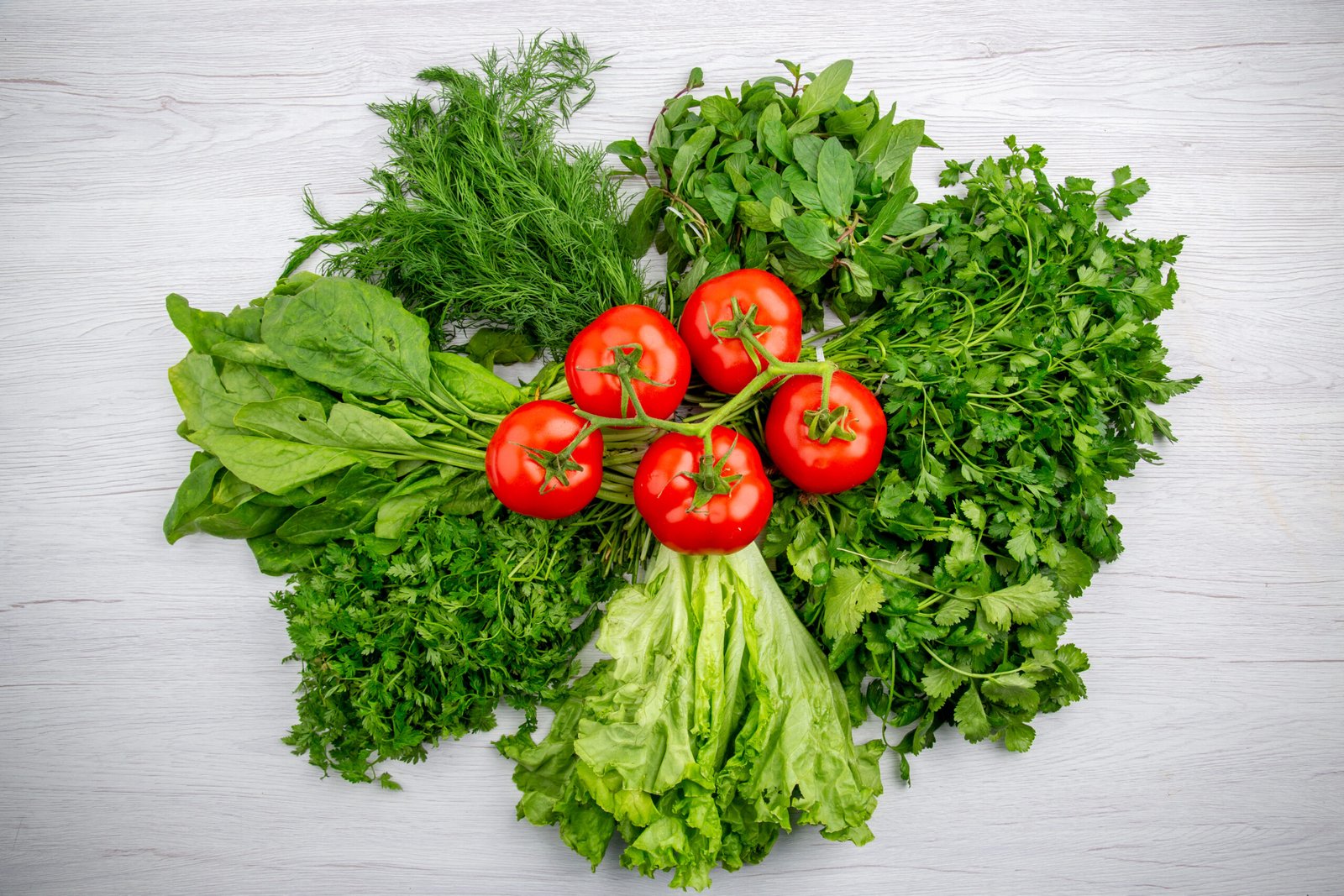
🥗 Introduction: Power of Leafy Green Vegetables High in Protein
Leafy green vegetables high in protein are powerful nutritional allies in modern diets. While protein is typically associated with meat, dairy, or legumes, many leafy greens provide significant amounts of plant-based protein. These vegetables are also packed with essential vitamins, minerals, fiber, and antioxidants, making them ideal for people looking to build muscle, boost immunity, or maintain a balanced vegetarian or vegan lifestyle.
If you’re searching for leafy green vegetables high in protein, this guide will help you explore the top 7 greens with the highest protein content—along with health benefits, uses, and tips.
1. Spinach – A Classic Leafy Green Vegetable High in Protein
🥬 Spinach: Nutrients, Health Benefits, and Side Effects (Complete Guide)




Spinach is one of the most nutrient-dense green leafy vegetables available. It is widely used in salads, curries, smoothies, and soups. Low in calories but rich in vitamins, minerals, and antioxidants, spinach is considered a powerful health-supporting food. However, like any food, it should be consumed in the right quantity because excessive intake can also have side effects. Here is a complete 700-word guide covering spinach nutrients, benefits, and possible risks.
✅ Nutritional Value of Spinach
Spinach provides a large amount of nutrition with very few calories. About 100 grams of raw spinach contains roughly 23 calories but delivers many essential micronutrients.
Key nutrients include:
- Vitamin A (from beta-carotene) – supports eye and skin health
- Vitamin K – essential for blood clotting and bone strength
- Vitamin C – boosts immunity and acts as an antioxidant
- Folate (Vitamin B9) – important for cell growth and pregnancy health
- Iron – supports red blood cell production
- Magnesium – helps muscles and nerves function properly
- Potassium – supports heart and blood pressure balance
- Calcium – contributes to bone health
- Fiber – improves digestion
- Antioxidants – lutein, zeaxanthin, and quercetin
Because of this rich nutrient profile, spinach is often called a “protective food.”
🌿 Health Benefits of Spinach
1️⃣ Supports Eye Health
Spinach is rich in lutein and zeaxanthin, two powerful antioxidants that accumulate in the retina of the eye. These compounds help protect against damage from sunlight and may reduce the risk of age-related vision problems.
2️⃣ Improves Heart Health
Spinach contains potassium and natural nitrates. These help relax blood vessels and support healthy blood pressure levels. Antioxidants in spinach also reduce oxidative stress, which benefits the heart.
3️⃣ Helps in Blood Formation
Spinach provides iron and folate, both important for producing red blood cells. Folate is especially important for pregnant women because it supports proper fetal development.
4️⃣ Strengthens Bones
Spinach is one of the best vegetable sources of Vitamin K. Vitamin K plays a key role in bone metabolism and helps improve bone density when included regularly in the diet.
5️⃣ Boosts Immunity
Vitamin C and other antioxidants in spinach help strengthen the immune system. These nutrients support white blood cell activity and help the body fight infections.
6️⃣ Supports Digestive Health
Spinach contains dietary fiber and water, which support smooth digestion and help prevent constipation. Fiber also supports healthy gut bacteria.
7️⃣ Aids Weight Management
Because spinach is low in calories and high in fiber, it helps you feel full without adding excess calories. This makes it useful in weight-loss and fat-control diets.
8️⃣ Skin and Hair Benefits
Vitamin A and Vitamin C support collagen production and skin repair. These nutrients also help maintain healthy hair follicles.
⚠️ Possible Side Effects of Spinach
Although spinach is healthy, excessive or improper consumption can cause some problems.
1️⃣ Kidney Stone Risk
Spinach is high in oxalates, natural compounds that can bind with calcium and form kidney stones in susceptible individuals. People with a history of calcium oxalate stones should limit large quantities of raw spinach.
2️⃣ Reduced Mineral Absorption
Oxalates can reduce the absorption of certain minerals like calcium and iron. This means that even though spinach contains these minerals, the body may not absorb all of them when eaten raw in excess.
3️⃣ Interaction with Blood Thinners
Spinach is extremely high in Vitamin K. People who take blood-thinning medications should keep their spinach intake consistent. Sudden large increases can interfere with medication effectiveness.
4️⃣ Digestive Discomfort
Eating too much raw spinach may lead to:
- Gas
- Bloating
- Stomach discomfort
This is mainly due to its fiber content and certain plant compounds.
5️⃣ Possible Allergic Reaction (Rare)
A small number of people may experience mild allergic symptoms such as itching or throat irritation after eating spinach.
✅ Best Ways to Eat Spinach Safely
- Lightly steam or cook spinach to reduce oxalate content
- Avoid very large raw quantities daily
- Combine with Vitamin C foods (like lemon) to improve iron absorption
- Wash thoroughly to remove dirt and pesticide residue
- Rotate with other leafy greens instead of eating only spinach daily
🥗 Conclusion
Spinach is a powerful, nutrient-rich leafy vegetable that supports eye health, heart function, bones, immunity, digestion, and weight control. It provides a wide range of vitamins, minerals, and antioxidants with very few calories. However, due to its oxalate and Vitamin K content, it should be eaten in moderation, especially by people with kidney stone risk or those on blood-thinning medication. When consumed wisely as part of a balanced diet, spinach is an excellent addition to daily meals.
2. Kale – Anti-Inflammatory Leafy Green Vegetable High in Protein
- Protein: ~4.3g per 100g (cooked)
- Calories: 35 per 100g
- Nutrients: Calcium, vitamin C, vitamin K
Another excellent leafy green vegetable high in protein, kale is ideal for salads, baked chips, and smoothies. Its protein value and fiber content make it a top choice for a clean diet.
✅ Benefits:
- Detoxifies the liver🥬 Kale: Nutrients, Health Benefits, and Sid

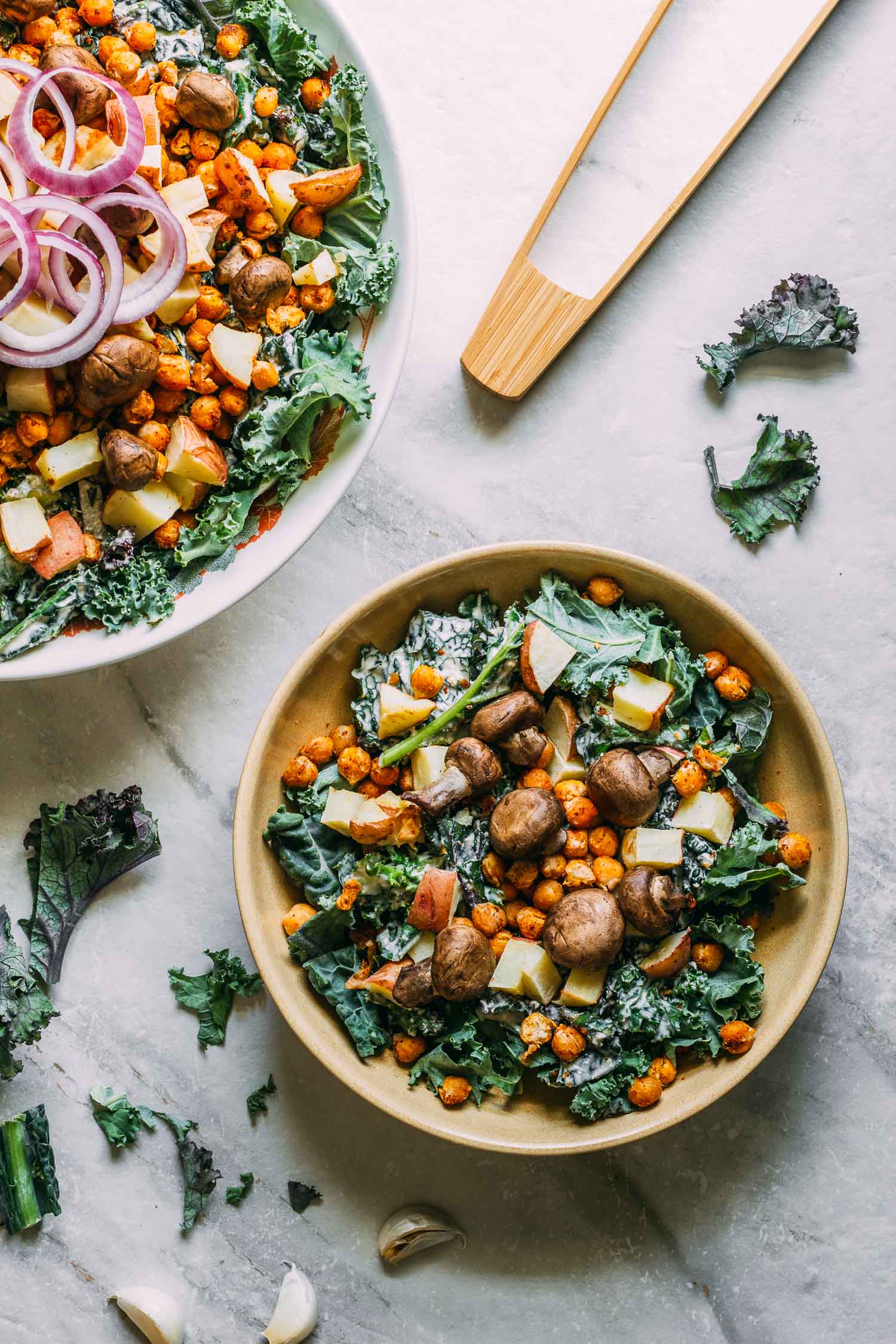
Kale is a dark green leafy vegetable often called a “superfood” because of its very high nutrient density. It belongs to the cabbage family and is widely used in salads, soups, smoothies, and stir-fries. Kale is low in calories but extremely rich in vitamins, minerals, antioxidants, and fiber. At the same time, like any powerful food, overeating or improper use can cause some side effects. Here is a complete guide.
✅ Nutritional Value of Kale
Kale delivers a large amount of nutrition with very few calories. About 100 grams of raw kale contains roughly 35–50 calories but provides many essential micronutrients.
Key Nutrients in Kale:
Vitamin K — extremely high (one of the richest sources)
Vitamin A (beta-carotene) — eye and skin health
Vitamin C — strong immune support
Vitamin B6
Folate (Vitamin B9)
Calcium — plant-based source
Potassium — heart and muscle function
Magnesium
Iron
Fiber
Antioxidants — quercetin, kaempferol, lutein
Because of this profile, kale is considered one of the most nutrient-dense vegetables per calorie.
🌿 Health Benefits of Kale
1️⃣ Powerful Antioxidant Protection
Kale is loaded with antioxidants such as quercetin and kaempferol. These help neutralize free radicals and reduce oxidative stress, which is linked to aging and many chronic diseases.
2️⃣ Supports Heart Health
Kale contains fiber, potassium, and antioxidants that support cardiovascular health. Fiber helps reduce LDL (bad cholesterol), while potassium helps regulate blood pressure.
3️⃣ Strengthens Bones
Kale is extremely rich in Vitamin K, which is essential for bone metabolism and calcium utilization. Adequate Vitamin K intake is linked with better bone density and lower fracture risk.
4️⃣ Boosts Immunity
High Vitamin C content helps strengthen the immune system, supports white blood cell function, and improves the body’s ability to fight infections.
5️⃣ Good for Eye Health
Kale provides lutein and zeaxanthin — antioxidants that protect the retina and may reduce risk of age-related eye disorders.
6️⃣ Supports Detox Functions
Kale contains sulfur-containing compounds and chlorophyll that support the body’s natural detox pathways in the liver.
7️⃣ Helps in Weight Management
Low calories + high fiber + high water content = more fullness with fewer calories. Kale is excellent for fat-loss and weight-control diets.
8️⃣ Blood Sugar Support
Fiber and antioxidants in kale help improve insulin sensitivity and support better blood sugar control when included in a balanced diet.
⚠️ Possible Side Effects of Kale
Despite its benefits, kale may cause problems for some people if consumed excessively.
1️⃣ Thyroid Interference (Goitrogens)
Kale contains goitrogens, natural compounds that may interfere with iodine uptake in the thyroid when eaten in very large raw amounts regularly.
👉 People with thyroid issues should avoid excessive raw kale and prefer cooked kale.
2️⃣ Blood Thinner Interaction
Because kale is very high in Vitamin K, it can interfere with blood-thinning medications. Sudden changes in intake can affect drug action. Intake should be consistent.
3️⃣ Digestive Issues
Large quantities of raw kale may cause:
Gas
Bloating
Stomach discomfort
This is due to high fiber and certain plant compounds.
4️⃣ Kidney Stone Concern (Moderate)
Kale contains some oxalates (less than spinach but still present). People with kidney stone history should avoid very high daily intake.
5️⃣ Heavy Metal Absorption (Rare Case)
When grown in contaminated soil, kale can absorb heavy metals. This is uncommon but a reason to:
Buy from reliable sources
Wash thoroughly
6️⃣ Allergic Reaction (Rare)
A few individuals may experience mild allergy symptoms such as itching or throat irritation.
✅ Best Ways to Eat Kale Safely
Lightly steam or sauté to reduce goitrogens
Massage raw kale with lemon/salt for salads (improves digestibility)
Rotate with other greens (not kale daily in huge amounts)
Wash well before use
Combine with healthy fats (like nuts or seeds) to improve vitamin absorption
🥗 Conclusion
Kale is one of the most nutrient-rich leafy greens you can include in your diet. It supports heart health, bones, immunity, eyes, and weight control while providing powerful antioxidants. However, because of its goitrogens and very high Vitamin K content, it should be consumed in moderation — especially by people with thyroid conditions or those taking blood thinners. When eaten properly as part of a varied diet, kale is a highly beneficial health food.


3. Collard Greens – Traditional Leafy Green Vegetable High in Protein
🥬 Collard Greens: Nutrients, Health Benefits, and Side Effects
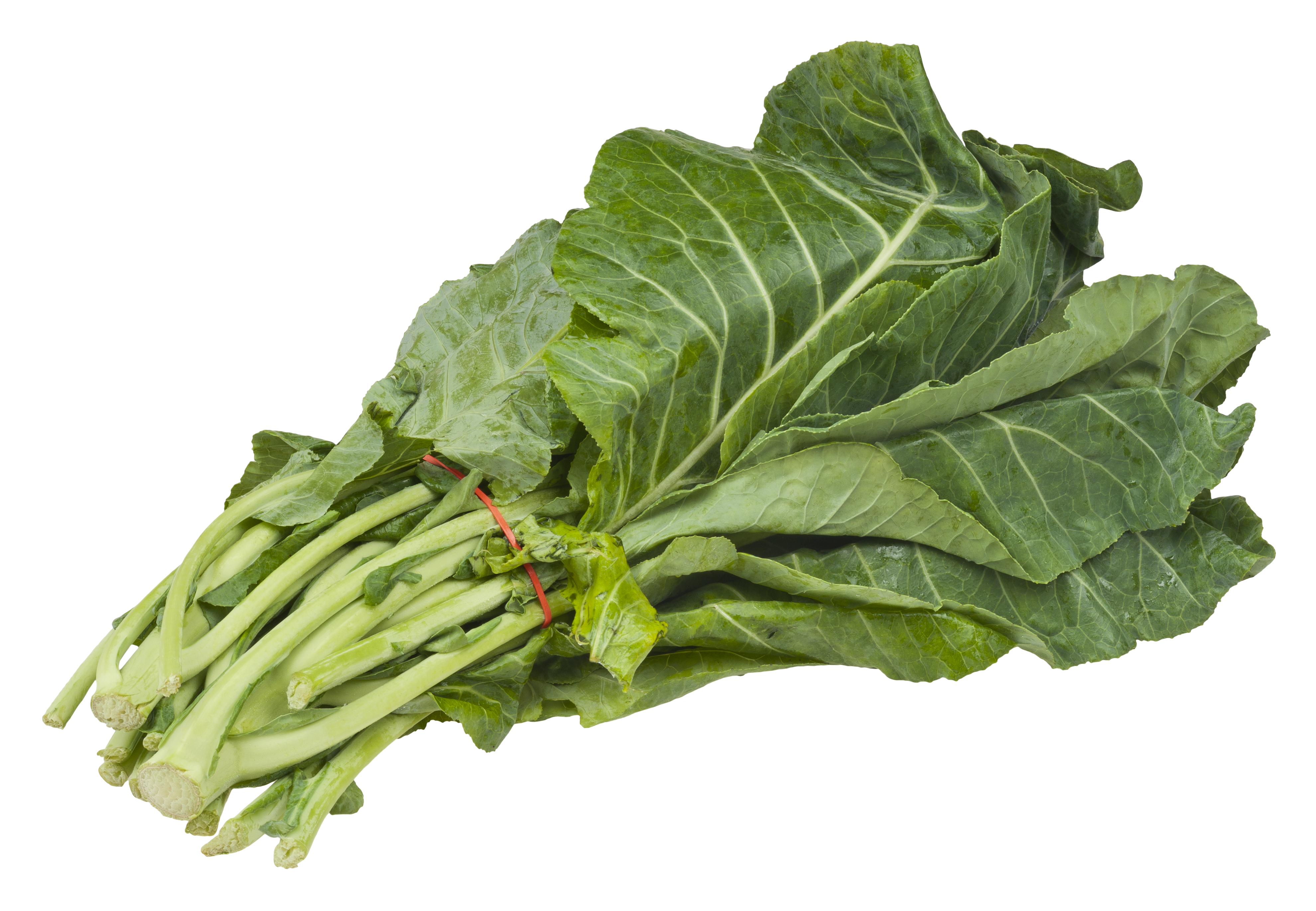
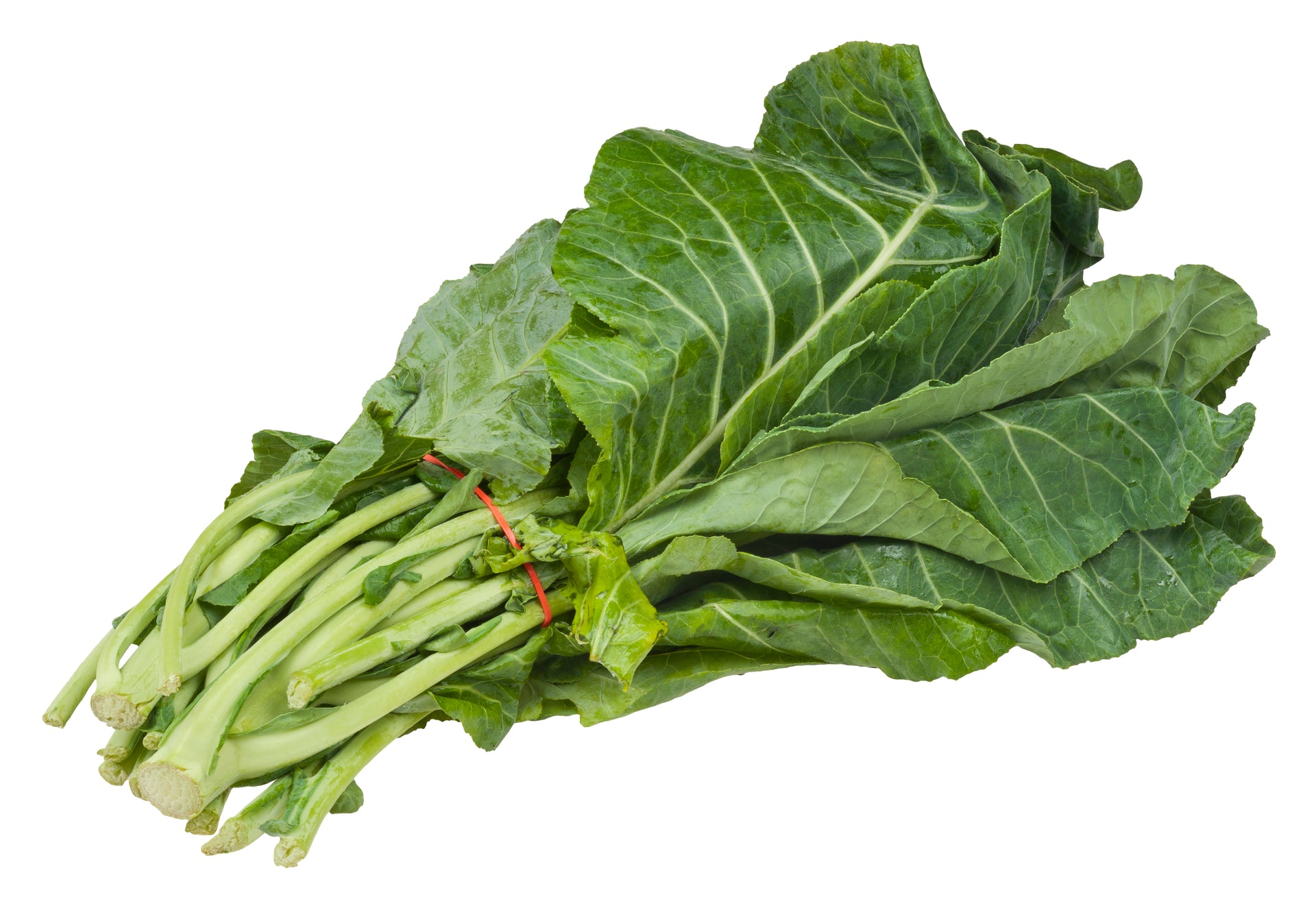

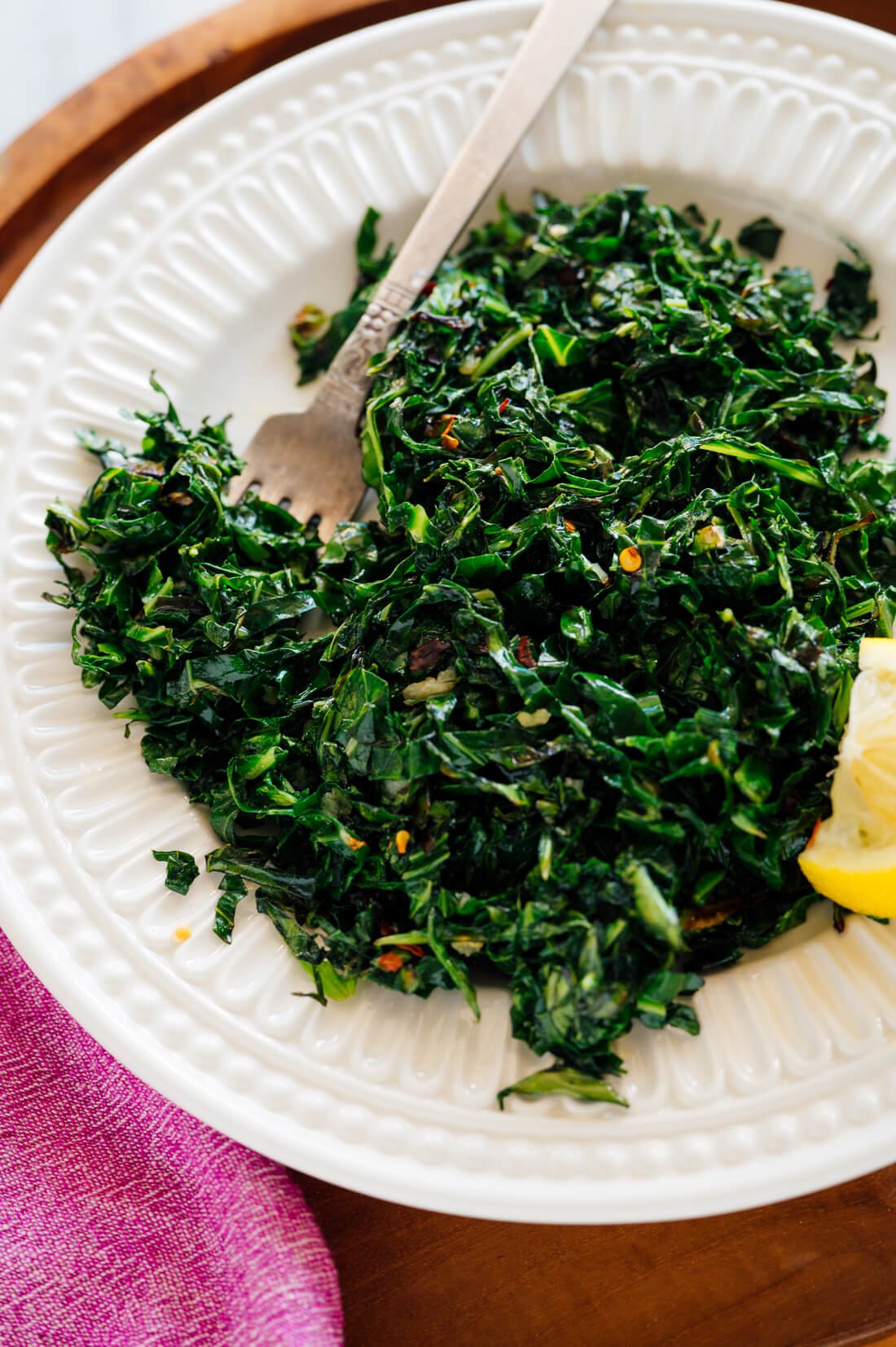
Collard greens are large, dark green leafy vegetables from the cruciferous family (same group as cabbage and kale). They are widely used in traditional cooking and are known for their rich nutrient content and strong health benefits. Collard greens are low in calories but packed with vitamins, minerals, fiber, and protective plant compounds. However, like other powerful leafy greens, they also have some side effects when consumed in excess.
Here is a complete guide covering nutrients, benefits, and possible risks.
✅ Nutritional Value of Collard Greens
Collard greens are highly nutrient-dense. About 100 grams of raw collard greens provides roughly 30–35 calories along with many essential micronutrients.
Key Nutrients:
- Vitamin K — extremely high
- Vitamin A (beta-carotene) — eye & skin support
- Vitamin C — immune protection
- Folate (Vitamin B9) — cell growth & blood health
- Vitamin B6
- Calcium — good plant source
- Magnesium
- Potassium
- Iron
- Fiber
- Antioxidants — polyphenols and flavonoids
- Sulfur compounds — detox support
Because of this nutrient profile, collard greens are considered a protective and strengthening food.
🌿 Health Benefits of Collard Greens
1️⃣ Strong Bone Support
Collard greens are one of the best vegetable sources of Vitamin K and also provide calcium and magnesium. This combination supports bone density and proper bone metabolism.
2️⃣ Heart Health Protection
High fiber helps reduce LDL (bad cholesterol). Potassium supports healthy blood pressure levels. Antioxidants reduce inflammation and oxidative damage in blood vessels.
3️⃣ Supports Detoxification
Like other cruciferous vegetables, collard greens contain sulfur-containing compounds that support the liver’s natural detox processes and help the body eliminate harmful substances.
4️⃣ Improves Digestive Health
Collard greens are rich in fiber, which:
- Improves bowel movement
- Prevents constipation
- Supports healthy gut bacteria
- Promotes better digestion overall
5️⃣ Boosts Immunity
High Vitamin C content strengthens immune function, supports white blood cells, and improves resistance to infections.
6️⃣ Eye and Skin Health
Beta-carotene (Vitamin A precursor) supports:
- Vision protection
- Skin repair
- Healthy mucous membranes
7️⃣ Blood Sugar Support
Fiber slows down glucose absorption and helps maintain more stable blood sugar levels when eaten as part of a balanced meal.
8️⃣ Weight Management Friendly
Low calorie + high fiber + high volume → helps you feel full with fewer calories. Good for fat-loss diets.
⚠️ Possible Side Effects of Collard Greens
Even though collard greens are healthy, too much intake — especially raw — may cause some issues.
1️⃣ Thyroid Function Interference
Collard greens contain goitrogens, natural compounds that may reduce iodine uptake when eaten in very large raw quantities regularly.
👉 People with thyroid problems should prefer cooked collard greens rather than excessive raw intake.
2️⃣ Blood Thinner Interaction
Very high Vitamin K content can interfere with blood-thinning medications. People taking such medicines should keep their intake consistent, not suddenly high or low.
3️⃣ Digestive Discomfort
Eating large amounts may cause:
- Gas
- Bloating
- Stomach heaviness
This happens due to high fiber and sulfur compounds.
4️⃣ Kidney Stone Consideration
Collard greens contain moderate oxalates (lower than spinach but present). Those with kidney stone history should avoid very high daily intake.
5️⃣ Nutrient Absorption Limits
Certain plant compounds can slightly reduce absorption of minerals like calcium and iron when eaten raw in excess. Light cooking reduces this effect.
6️⃣ Pesticide Residue Risk
Leafy greens may carry pesticide residues if not sourced carefully. Always:
- Wash thoroughly
- Prefer organic when possible
✅ Best Ways to Eat Collard Greens
- Lightly steam, sauté, or boil to improve digestibility
- Add lemon or vitamin C foods to improve iron absorption
- Avoid very large raw servings daily
- Rotate with other greens (spinach, kale, mustard greens)
- Wash leaves properly before cooking
🥗 Conclusion
Collard greens are a highly nutritious leafy vegetable that supports bone strength, heart health, digestion, immunity, and detoxification. They are rich in Vitamin K, Vitamin A, Vitamin C, calcium, and fiber while being low in calories. However, because they contain goitrogens and very high Vitamin K, people with thyroid conditions or those on blood thinners should consume them carefully and preferably cooked. When eaten in moderation as part of a varied diet, collard greens are an excellent health-supporting food.
4. Mustard Greens – Spicy Leafy Green Vegetable High in Protein
🥬 Mustard Greens: Nutrients, Health Benefits, and Side Effects


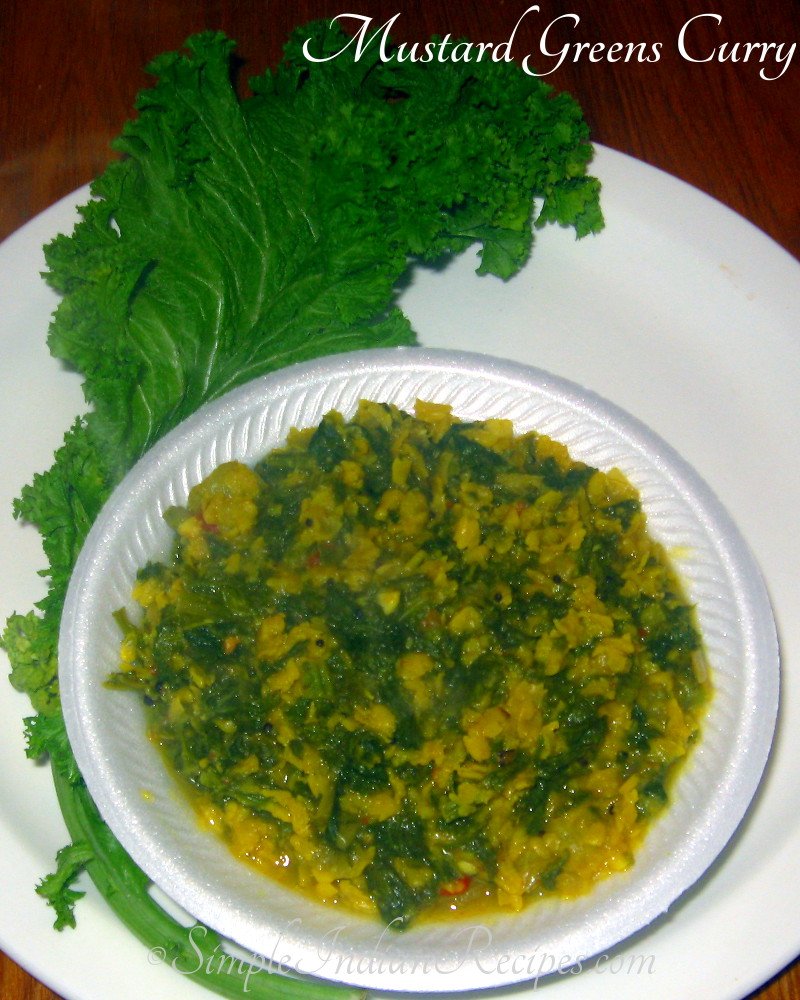

Mustard greens are dark green leafy vegetables that come from the mustard plant family. They are widely used in Indian cooking (like saag), stir-fries, soups, and salads. These greens have a slightly spicy, peppery taste and are known for their powerful nutritional value. They are low in calories but very rich in vitamins, minerals, antioxidants, and plant compounds. Along with many health benefits, mustard greens also have a few side effects if consumed excessively.
Here is a complete guide covering nutrients, benefits, and possible risks.
✅ Nutritional Value of Mustard Greens
Mustard greens are highly nutrient-dense. About 100 grams of raw mustard greens provides only around 25–30 calories but delivers many essential nutrients.
Key Nutrients:
- Vitamin K — extremely high
- Vitamin A (beta-carotene) — eye and skin health
- Vitamin C — immune support
- Folate (Vitamin B9) — cell growth and blood health
- Vitamin E
- Calcium — bone support
- Potassium — heart and muscle function
- Magnesium
- Iron
- Fiber
- Antioxidants — flavonoids and polyphenols
- Glucosinolates — protective sulfur compounds
Because of this rich profile, mustard greens are considered a protective leafy vegetable.
🌿 Health Benefits of Mustard Greens
1️⃣ Supports Bone Health
Mustard greens are one of the best sources of Vitamin K, which is essential for bone formation and calcium utilization. They also provide calcium and magnesium, which further support bone strength.
2️⃣ Boosts Immunity
High Vitamin C and Vitamin A content helps strengthen the immune system. These nutrients improve the body’s defense against infections and support tissue repair.
3️⃣ Protects Eye Health
Beta-carotene and other carotenoids in mustard greens help protect the eyes from oxidative damage and support long-term vision health.
4️⃣ Heart Health Support
Fiber helps reduce bad cholesterol levels. Potassium supports normal blood pressure. Antioxidants reduce inflammation in blood vessels, lowering heart risk factors.
5️⃣ Detoxification Support
Mustard greens contain glucosinolates, sulfur-rich compounds that support liver detox pathways and help the body neutralize harmful substances.
6️⃣ Digestive Health Improvement
Mustard greens are rich in fiber, which:
- Promotes regular bowel movement
- Prevents constipation
- Supports healthy gut bacteria
- Improves overall digestion
7️⃣ Anti-Inflammatory Effects
Antioxidants and plant compounds in mustard greens help reduce inflammation and oxidative stress, which are linked to many chronic diseases.
8️⃣ Weight Management Friendly
Low calorie + high fiber + high volume → helps you feel full longer. Useful for fat-loss and calorie-controlled diets.
⚠️ Possible Side Effects of Mustard Greens
Even though mustard greens are healthy, overconsumption or improper intake can cause some issues.
1️⃣ Thyroid Interference (Goitrogens)
Mustard greens contain goitrogens, compounds that may interfere with iodine uptake in the thyroid when eaten in very large raw amounts regularly.
👉 People with thyroid disorders should prefer cooked mustard greens and avoid excessive raw intake.
2️⃣ Blood Thinner Interaction
Because mustard greens are very high in Vitamin K, they can interfere with blood-thinning medications. Sudden increases in intake can change medication effectiveness. Intake should remain consistent.
3️⃣ Digestive Discomfort
Large servings — especially raw — may cause:
- Gas
- Bloating
- Stomach irritation
This is due to high fiber and sulfur compounds.
4️⃣ Kidney Stone Consideration
Mustard greens contain moderate oxalates. People with kidney stone history should avoid very high daily consumption.
5️⃣ Spicy Compound Sensitivity
Mustard greens have natural pungent compounds. Sensitive individuals may experience:
- Mild stomach burning
- Throat irritation
when eaten raw in large amounts.
6️⃣ Pesticide Residue Risk
Leafy greens may carry pesticide residues if poorly sourced. Always wash thoroughly and prefer clean sources.
✅ Best Ways to Eat Mustard Greens
- Lightly steam, sauté, or cook to reduce goitrogens
- Combine with lentils or pulses for balanced nutrition
- Add lemon to improve iron absorption
- Avoid very large raw servings daily
- Rotate with other leafy greens for variety
- Wash properly before cooking
🥗 Conclusion
Mustard greens are a powerful leafy vegetable packed with Vitamin K, Vitamin A, Vitamin C, fiber, and protective plant compounds. They support bones, immunity, heart health, digestion, and detoxification while being low in calories. However, due to goitrogens and high Vitamin K content, people with thyroid conditions or those taking blood thinners should consume them in moderation and preferably cooked. When included wisely in a balanced diet, mustard greens are an excellent health-supporting food.
5. Swiss Chard – Colorful Leafy Green Vegetable High in Protein
🥬 Swiss Chard: Nutrients, Health Benefits, and Side Effects


Swiss chard is a colorful, nutrient-rich leafy green vegetable known for its dark green leaves and bright red, yellow, or white stems (often called rainbow chard). It belongs to the beet family and is used in soups, curries, stir-fries, and salads. Swiss chard is low in calories but extremely rich in vitamins, minerals, fiber, and antioxidants. Like other leafy greens, it offers many health benefits — but it also has a few side effects if eaten excessively.
Here is a complete guide to Swiss chard nutrients, benefits, and risks.
✅ Nutritional Value of Swiss Chard
Swiss chard is highly nutrient-dense while being very low in calories. About 100 grams of raw Swiss chard provides roughly 20 calories but delivers a wide range of micronutrients.
Key Nutrients in Swiss Chard:
- Vitamin K — extremely high
- Vitamin A (beta-carotene) — eye and skin support
- Vitamin C — immune protection
- Vitamin E — antioxidant support
- Magnesium — nerve and muscle function
- Potassium — heart and blood pressure balance
- Iron — supports blood health
- Calcium — bone support
- Folate (Vitamin B9) — cell growth
- Fiber — digestive health
- Antioxidants — betalains and flavonoids
Because of this rich profile, Swiss chard is considered one of the most protective leafy vegetables.
🌿 Health Benefits of Swiss Chard
1️⃣ Excellent for Bone Health
Swiss chard is extremely rich in Vitamin K, which is essential for bone formation and calcium regulation. Adequate Vitamin K intake is linked with stronger bones and lower fracture risk. It also provides magnesium and calcium for additional bone support.
2️⃣ Supports Heart Health
Swiss chard contains potassium and magnesium, which help regulate blood pressure and support healthy heart rhythm. Fiber helps lower LDL (bad cholesterol), and antioxidants reduce inflammation in blood vessels.
3️⃣ Helps Control Blood Sugar
Swiss chard contains antioxidants and plant compounds that may improve insulin sensitivity. Fiber slows glucose absorption, helping maintain more stable blood sugar levels when eaten as part of balanced meals.
4️⃣ Powerful Antioxidant Protection
Swiss chard is rich in antioxidants such as betalains and flavonoids. These help fight oxidative stress, reduce cell damage, and support long-term disease protection.
5️⃣ Eye and Skin Health
High beta-carotene (Vitamin A precursor) supports:
- Vision protection
- Skin repair
- Healthy immune barriers
Vitamin C also supports collagen production.
6️⃣ Digestive Health Support
Fiber in Swiss chard helps:
- Improve bowel regularity
- Prevent constipation
- Support beneficial gut bacteria
- Improve overall digestion
7️⃣ Muscle and Nerve Function
Swiss chard is a good source of magnesium and potassium, both essential for proper muscle contraction and nerve signaling. This is especially helpful for people with muscle cramps or high physical activity.
8️⃣ Weight Management Friendly
Low calorie + high fiber + high volume → helps you feel full with minimal calories. Good for fat-loss and calorie-control diets.
⚠️ Possible Side Effects of Swiss Chard
Despite its benefits, Swiss chard may cause some problems when consumed in large amounts.
1️⃣ Kidney Stone Risk (High Oxalates)
Swiss chard is high in oxalates, natural compounds that can combine with calcium to form kidney stones in susceptible individuals.
👉 People with kidney stone history should limit intake and avoid very large servings.
2️⃣ Blood Thinner Interaction
Very high Vitamin K content can interfere with blood-thinning medications. Sudden changes in intake may affect drug action. Intake should be consistent if you are on such medicines.
3️⃣ Digestive Discomfort
Eating large quantities — especially raw — may cause:
- Gas
- Bloating
- Stomach discomfort
due to high fiber and plant compounds.
4️⃣ Mineral Absorption Reduction
Oxalates can reduce absorption of some minerals like calcium and iron when Swiss chard is eaten raw in excess. Light cooking helps reduce this effect.
5️⃣ Nitrate Sensitivity (Rare Concern)
Like many leafy greens, Swiss chard contains natural nitrates. Normally this is beneficial for blood pressure, but people with specific medical nitrate sensitivity should moderate intake.
✅ Best Ways to Eat Swiss Chard Safely
- Lightly steam, sauté, or cook to reduce oxalates
- Discard excess cooking water if oxalate reduction is needed
- Combine with vitamin C foods to improve iron absorption
- Avoid very large raw servings daily
- Rotate with other leafy greens
- Wash thoroughly before use
🥗 Conclusion
Swiss chard is a colorful, highly nutritious leafy green packed with Vitamin K, Vitamin A, Vitamin C, magnesium, potassium, fiber, and antioxidants. It supports bones, heart health, blood sugar control, digestion, and immunity while being very low in calories. However, due to its high oxalate and Vitamin K content, people with kidney stone risk or those on blood thinners should consume it carefully and preferably cooked. When eaten in moderation as part of a varied diet, Swiss chard is an excellent health-supporting vegetable.
Protein Comparison Chart
| Leafy Green Vegetable | Protein (g/100g) | Key Benefits |
|---|---|---|
| Spinach (cooked) | 5.4 | Vision, iron, metabolism |
| Kale (cooked) | 4.3 | Detox, immunity |
| Collard Greens | 3.0 | Cholesterol control, liver health |
| Mustard Greens | 2.7 | Digestion, detox |
| Swiss Chard | 3.3 | Blood sugar, antioxidant boost |
| Beet Greens | 2.2 | Endurance, energy |
| Watercress | 2.3 | Immunity, eye health |
How to Use Leafy Green Vegetables High in Protein Daily
🥬 In Smoothies:
Add spinach, kale, or beet greens for a refreshing protein shake.
🥗 In Salads:
Mix watercress, baby kale, or Swiss chard with lemon and olive oil.
🍲 In Curries & Stir-Fries:
Use mustard greens, collard greens, and chard with lentils or tofu.
🥘 In Soups:
Combine multiple leafy green vegetables high in protein in dal or broths.
SEO LSI Keywords Used:
- High protein leafy vegetables
- Greens rich in protein
- Vegetarian protein sources
- Protein in leafy vegetables
- Protein-packed greens
- Leafy veggies with protein
- Best protein vegetables for vegans
Scientific Validation
A 2022 USDA report confirms that leafy green vegetables high in protein like spinach, kale, and mustard greens are rich in essential amino acids when combined with legumes or grains. According to Healthline, greens also support digestive health and disease prevention.
Caution and Tips:
- Always wash greens thoroughly to remove pesticides
- Cook lightly to retain nutrients and increase bioavailability
- Combine with vitamin C sources (like lemon) for better iron absorption
Final Thoughts
Incorporating leafy green vegetables high in protein is one of the smartest steps you can take for a healthier lifestyle. Whether you’re following a vegetarian, vegan, or flexitarian diet, these greens offer a natural, low-calorie, and nutrient-packed protein source.
By consistently eating leafy green vegetables high in protein, you nourish your body with the building blocks of life, enhance your energy, and support long-term health goals.
🔗 Internal Links:
- Top Indian Protein-Rich Foods for Vegans
- Benefits of Green Vegetables for Skin
- High-Protein Diet Plan for Weight Loss
🔗 External Source Links:
- USDA FoodData: https://fdc.nal.usda.gov/
- Healthline – Protein in Vegetables: https://www.healthline.com/nutrition/protein-in-vegetables
- Medical News Today – Plant-Based Protein: https://www.medicalnewstoday.com/articles/best-vegetable-protein
Incorporating these leafy greens into your daily meals can significantly elevate your nutrient intake, fostering a healthier lifestyle. Their rich array of phytonutrients further supports immune function and promotes overall vitality.