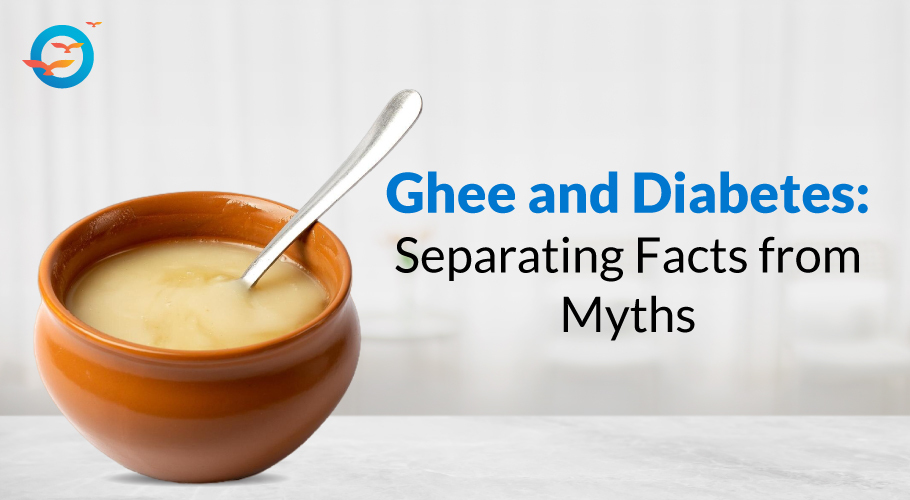


Is Ghee Good for Diabetes? Science Says This
What Is Ghee? (Simple Explanation)
Ghee is a type of clarified butter that is widely used in Indian cooking and traditional medicine.
It is made by slowly heating butter until:
- Water evaporates
- Milk solids separate and are removed
- Only pure golden fat remains
That pure fat is called ghee.
How Ghee Is Made
- Butter is heated on low flame
- Milk solids settle and brown
- Clear liquid fat rises to the top
- The clear fat is filtered → Ghee
👉 This process removes lactose and casein, making ghee easier to digest than butter.
What Does Ghee Contain?
Ghee is rich in:
- Healthy fats (short & medium-chain fatty acids)
- Butyric acid (good for gut health)
- Fat-soluble vitamins: A, D, E, K
It contains no carbohydrates and no sugar.
Why Is Ghee Popular in India?
- High smoke point (safe for cooking)
- Long shelf life (no refrigeration needed)
- Enhances taste and aroma
- Used in Ayurveda for digestion and immunity
Ghee vs Butter
| Ghee | Butter |
|---|---|
| No milk solids | Contains milk solids |
| Higher smoke point | Burns easily |
| Easier digestion | Harder for some people |
| Longer shelf life | Needs refrigeration |
In One Line
Ghee is pure butter fat obtained by removing water and milk solids from butter
Is ghee good for diabetes?
This question confuses millions of Indians living with diabetes. Ghee has been part of the Indian diet for centuries, yet many diabetic patients are advised to avoid it completely. Modern nutritional science, however, shows that this fear is largely based on outdated assumptions.
👉 Scientific truth: When consumed in moderation, pure cow ghee does not increase blood sugar and may actually support better metabolic health in people with diabetes.
Understanding Diabetes and Diet (Basics)
Diabetes is a metabolic disorder characterized by high blood glucose levels due to insulin resistance or insufficient insulin production. In India, Type 2 diabetes is the most common form and is closely linked to diet and lifestyle.
Most dietary mistakes in diabetes come from:
- Excess refined carbohydrates
- High sugar intake
- Low physical activity
👉 Fats like ghee are often blamed incorrectly.
For a deeper understanding of lifestyle-related diseases, you can read:
👉 Lifestyle Diseases & Prevention (Internal link – belladhealthfitness.com)
Why Diabetics Are Afraid of Ghee
Many people believe:
- Ghee is high in saturated fat
- Saturated fat increases blood sugar
- Diabetics should eat fat-free food
These ideas are not supported by current scientific evidence.
Is Ghee Good for Diabetes? (Science-Based Answer)
Yes, ghee can be good for diabetes when used in the right quantity.
Why?
- Ghee contains zero carbohydrates
- It has a glycemic index of 0
- It does not cause blood sugar spikes
Unlike sugar and refined grains, ghee does not stress insulin function.
According to dietary guidelines discussed by the
American Diabetes Association,
healthy fats can be included in a balanced diabetic diet when calories are controlled.
(External link: diabetes.org)
Glycemic Index: Why Ghee Is Safe
Foods that raise blood sugar quickly have a high glycemic index (GI).
| Food | Glycemic Impact |
|---|---|
| Sugar | Very high |
| White rice | High |
| White bread | High |
| Ghee | Zero |
This means ghee does not increase blood glucose directly.
To understand how sugar damages metabolic health, read:
👉 Sugar Consumption Effects on Health (Internal link)
The Real Cause of Diabetes Worsening (Content Gap)
Most articles fail to highlight this critical truth:
❌ Diabetes is NOT caused by fat
✔️ Diabetes is driven by excess refined carbohydrates and sugar
Refined oils and sugars promote inflammation, which increases insulin resistance. Ghee, on the other hand, is anti-inflammatory when used correctly.
Research summaries available on
Harvard T.H. Chan School of Public Health
show that replacing refined carbs with healthy fats can improve insulin sensitivity.
(External link: hsph.harvard.edu)
How Ghee Helps in Diabetes Management
1. Improves Insulin Sensitivity
Ghee contains butyric acid, which:
- Reduces inflammation
- Supports gut health
- Improves insulin response
Gut health plays a major role in blood sugar regulation.
2. Slows Carbohydrate Absorption
When ghee is added to roti, rice, or millets:
- Digestion slows down
- Glucose enters the blood gradually
- Sudden sugar spikes are reduced
This is why traditional Indian meals always included some fat.
3. Supports Gut Microbiome
Butyric acid acts as fuel for intestinal cells, strengthening gut lining and improving metabolic function.
Cow Ghee vs Refined Vegetable Oils (Very Important)
Many diabetics replace ghee with refined oils, believing them to be “heart healthy.” This is a mistake.
| Ghee | Refined Oils |
|---|---|
| Natural | Chemically processed |
| Heat-stable | Produce toxins at high heat |
| Anti-inflammatory | Promote inflammation |
Refined oils worsen insulin resistance over time.
Guidelines published by
National Institute of Nutrition
emphasize minimizing processed fats in daily diets.
(External link: ninindia.org)
How Much Ghee Can a Diabetic Eat?
Recommended intake:
- Controlled Type 2 diabetes: 1 teaspoon per day
- Physically active individuals: up to 2 teaspoons
- Diabetes with obesity: strict moderation
❗ Excess calories from any source can worsen insulin resistance.
Best Time to Consume Ghee for Diabetics
✔ Morning or lunch
✔ With roti, vegetables, or millets
❌ Late night consumption
❌ With sweets or refined flour foods
Ghee and Millets: A Powerful Indian Combination
Millets are rich in fiber and have a low glycemic load. When combined with ghee:
- Sugar absorption slows
- Satiety increases
- Energy remains stable
Read more here:
👉 Millets Benefits for Diabetes (Internal link)
What Scientific Studies Say
Several studies indexed on
PubMed
indicate that traditional fats like ghee do not worsen glycemic control when consumed in moderation.
(External link: pubmed.ncbi.nlm.nih.gov)
FAQ Section (SEO Optimized)
Is ghee good for diabetes?
Yes. Moderate consumption of pure cow ghee does not raise blood sugar levels.
Can diabetics eat ghee daily?
Yes, about one teaspoon daily is generally safe with a balanced diet.
Does ghee increase insulin resistance?
No. Insulin resistance is mainly caused by excess sugar and inflammation.
Is ghee better than vegetable oil for diabetes?
Yes. Ghee is more stable and less inflammatory than refined oils.
Which ghee is best for diabetes?
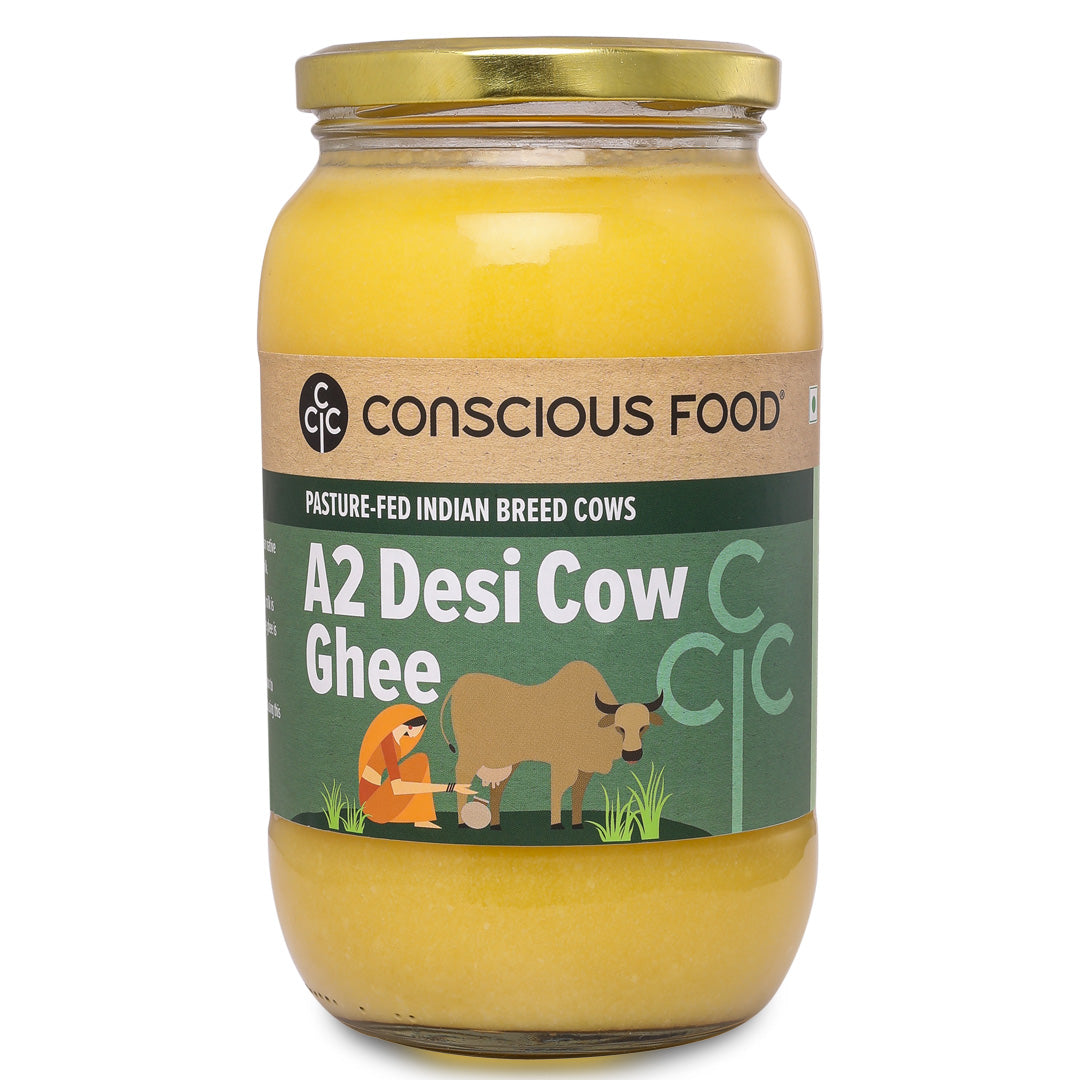
Traditionally prepared cow ghee (bilona method).
Final Verdict
✔ Is ghee good for diabetes? → YES, when consumed wisely
✔ It does not spike blood sugar
✔ It supports metabolic health
❌ Overeating and inactivity cause problems, not ghee
Diabetes is a sugar and lifestyle disease, not a ghee problem.
Medical Disclaimer
This article is for educational purposes only. People with diabetes or related complications should consult a qualified healthcare professional before making dietary changes.
🔥 Next Step?
ನಿನಗೆ ಬೇಕಾದ್ರೆ ನಾನು:
- Exact URL-based internal links (ನಿನ್ನ site structure ಪ್ರಕಾರ)
- Schema JSON-LD code
- Meta title + description (CTR optimized)
- Next article: “Ghee vs Refined Oil – Which Is Better for Diabetics?”
ಹೇಳು 👍