🏋️ Fitness — The Complete Foundation for Strength, Energy, and Long-Term Health
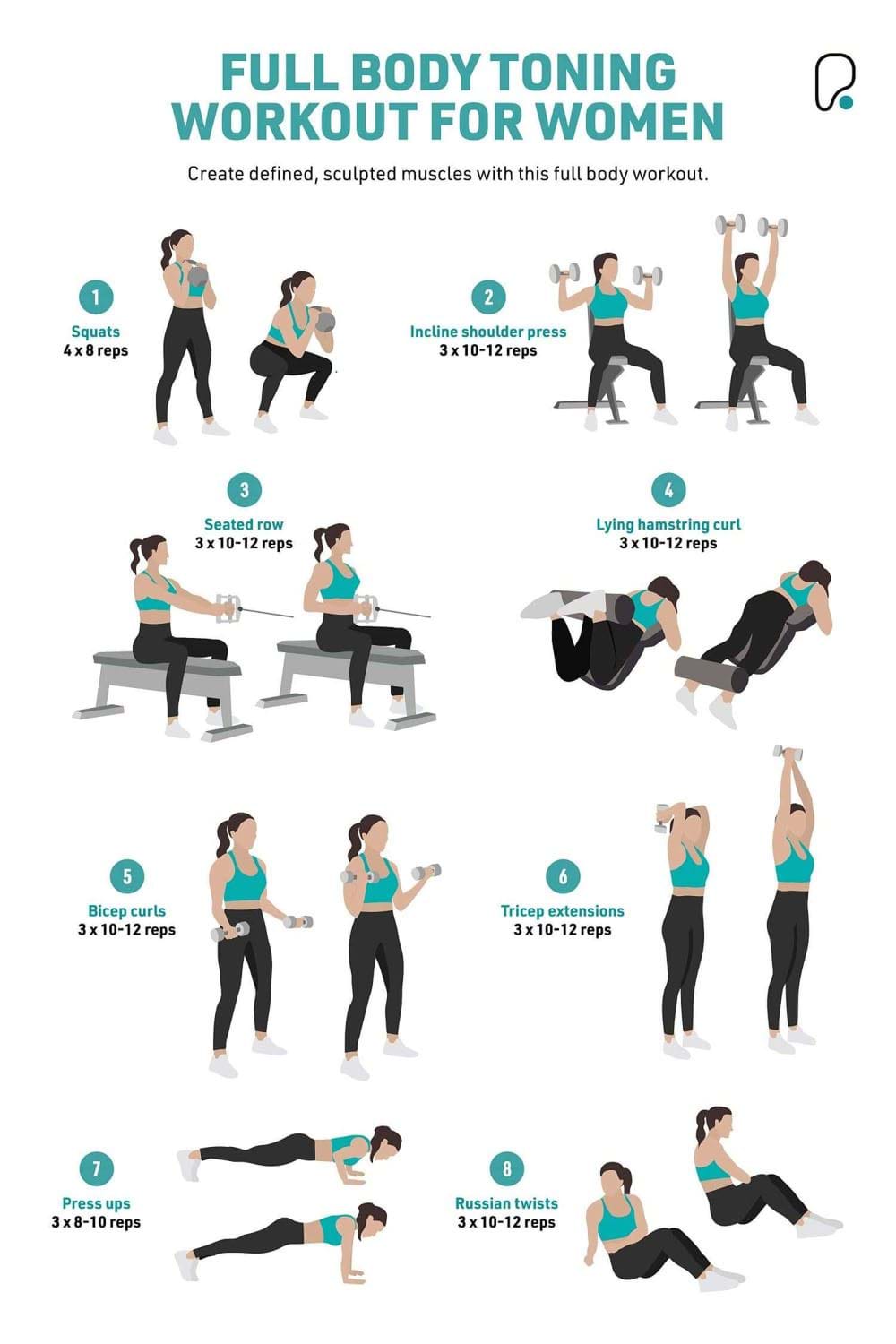


Fitness is more than exercise — it is the ability of the body to perform daily activities with strength, endurance, mobility, and mental alertness without excessive fatigue. True fitness includes cardiovascular health, muscular strength, flexibility, balance, and recovery capacity. A well-designed fitness lifestyle improves not only body shape but also metabolism, immunity, brain function, and emotional stability.
This fitness page provides a practical, science-based overview of what fitness really means, its main components, how to train correctly, and how to build a sustainable routine — with internal and external learning resources.
What Is Physical Fitness?
Physical fitness is a state where your body systems — heart, lungs, muscles, joints, and nervous system — work efficiently together. According to the World Health Organization, regular physical activity significantly reduces the risk of major chronic diseases and improves lifespan quality.
External guideline reference:
https://www.who.int/news-room/fact-sheets/detail/physical-activity
Fitness is not limited to athletes. It is for every age group and every lifestyle.
The 5 Core Components of Fitness
❤️ 1. Cardiovascular Endurance
This measures how well your heart and lungs deliver oxygen during activity.
Examples:
- Brisk walking
- Cycling
- Jogging
- Swimming
- Low-impact cardio
Benefits:
- Better heart health
- Lower blood pressure
- Improved stamina
External heart fitness resource:
https://www.cdc.gov/physicalactivity/basics
💪 2. Muscular Strength
Strength training builds muscle capacity and joint support.
Examples:
- Bodyweight exercises
- Resistance bands
- Free weights
- Machine training
Benefits:
- Higher metabolism
- Better posture
- Injury prevention
- Bone density support
Internal workout guide:
https://belladhealthfitness.com/workout-plans
🔁 3. Muscular Endurance
Endurance is the ability of muscles to perform repeated work.
Examples:
- High-rep training
- Circuit workouts
- Functional training
Important for:
- Daily activity performance
- Fatigue resistance
🤸 4. Flexibility and Mobility
Mobility allows joints to move freely and safely.
Methods:
- Stretching
- Yoga
- Mobility drills
Benefits:
- Injury reduction
- Better movement quality
- Faster recovery
Internal yoga resource:
https://belladhealthfitness.com/yoga
⚖️ 5. Balance and Coordination
Balance prevents falls and improves movement efficiency.
Training methods:
- Single-leg exercises
- Stability drills
- Slow controlled movement
Especially important with aging.
How Much Exercise Do You Need?
Global public health guidelines recommend:
- 150–300 minutes/week moderate activity
OR - 75–150 minutes/week vigorous activity
PLUS - Strength training at least 2 days/week
Source reference:
https://www.who.int/publications/i/item/9789240015128
Consistency matters more than intensity at the beginning.
Fitness and Nutrition Work Together
Exercise without proper nutrition limits results. The body needs:
- Protein for muscle repair
- Carbohydrates for energy
- Healthy fats for hormones
- Micronutrients for recovery
Internal nutrition guide:
https://belladhealthfitness.com/nutrition
Without nutrition support, training adaptation is weaker.
Fitness and Mental Health Connection
Regular exercise improves mental wellness by increasing:
- Endorphins
- Serotonin activity
- Stress tolerance
- Sleep quality
Movement is one of the most effective natural mood regulators.
Internal mental wellness guide:
https://belladhealthfitness.com/mental-wellness
External mental health & exercise overview:
https://medlineplus.gov/exerciseandphysicalfitness.html
Beginner Fitness Structure (Simple Weekly Plan)
🗓 Example Starter Plan
3 days — strength training
3 days — walking/cardio
Daily — mobility or stretching (10 min)
Start small:
- 20–30 minutes per session
- Focus on correct form
- Increase gradually
Common Fitness Mistakes
❌ Doing too much too soon
❌ No strength training
❌ Ignoring recovery
❌ No warm-up
❌ No progression plan
❌ Only cardio, no resistance work
❌ Inconsistent schedule
Fitness progress comes from structured progression.
Recovery — The Missing Fitness Pillar
Fitness improves during recovery, not during exercise itself.
Recovery essentials:
- Sleep 7–8 hours
- Protein intake
- Rest days
- Hydration
- Mobility work
Overtraining reduces results and increases injury risk.
Related lifestyle prevention guide:
https://belladhealthfitness.com/lifestyle-diseases-prevention
Fitness for Disease Prevention
Regular fitness reduces risk of:
- Type 2 diabetes
- Heart disease
- Hypertension
- Obesity
- Metabolic syndrome
External prevention reference:
https://www.cdc.gov/chronicdisease/resources/publications/factsheets/physical-activity.htm
Exercise acts like preventive medicine when done consistently.
Home Fitness Is Effective
You do not need a gym to become fit.
Effective home tools:
- Bodyweight
- Resistance bands
- Floor space
- Walking area
Internal home fitness article:
https://belladhealthfitness.com/home-workouts
Final Message
Fitness is not a short program — it is a lifelong practice. Strong fitness supports energy, disease prevention, mental clarity, and functional independence. The most effective fitness plan is the one you can follow consistently.
Focus on:
- Movement every day
- Strength twice weekly
- Cardio regularly
- Mobility always
- Recovery seriously
Build fitness like a habit, not a challenge. Consistency creates transformation.