🧠 Mental Wellness — A Practical Guide to Emotional Balance and Inner Strength



Mental wellness is the state of balanced emotional, psychological, and cognitive functioning that allows a person to handle stress, make decisions, maintain relationships, and live productively. It is not simply the absence of mental illness — it is the presence of mental resilience, clarity, and emotional regulation. Just as physical fitness requires daily movement, mental wellness requires daily mental habits.
This mental wellness page explains practical methods to improve emotional stability, reduce stress, strengthen focus, and build long-term psychological resilience using simple, evidence-based practices.
What Is Mental Wellness?
Mental wellness includes:
- Emotional balance
- Stress tolerance
- Clear thinking
- Stable mood patterns
- Healthy coping skills
- Positive self-regulation
Public mental health frameworks from organizations like the World Health Organization emphasize that mental well-being is essential to overall health, productivity, and quality of life.
External reference:
https://www.who.int/health-topics/mental-health
Why Mental Wellness Matters
Strong mental wellness improves:
- Decision making
- Relationship quality
- Work performance
- Physical health outcomes
- Sleep quality
- Habit consistency
Poor mental health increases risk of:
- Chronic stress
- Burnout
- Anxiety patterns
- Lifestyle disease risk
- Low motivation
Mental and physical health are biologically connected — stress hormones affect immunity, digestion, weight, and heart health.
Related internal reading:
https://belladhealthfitness.com/nutrition
Core Pillars of Mental Wellness
✅ 1. Stress Regulation Skills
Stress is unavoidable — but mismanaged stress is harmful. Regulation skills include:
- Slow breathing practice
- Scheduled breaks
- Thought reframing
- Task prioritization
- Physical movement
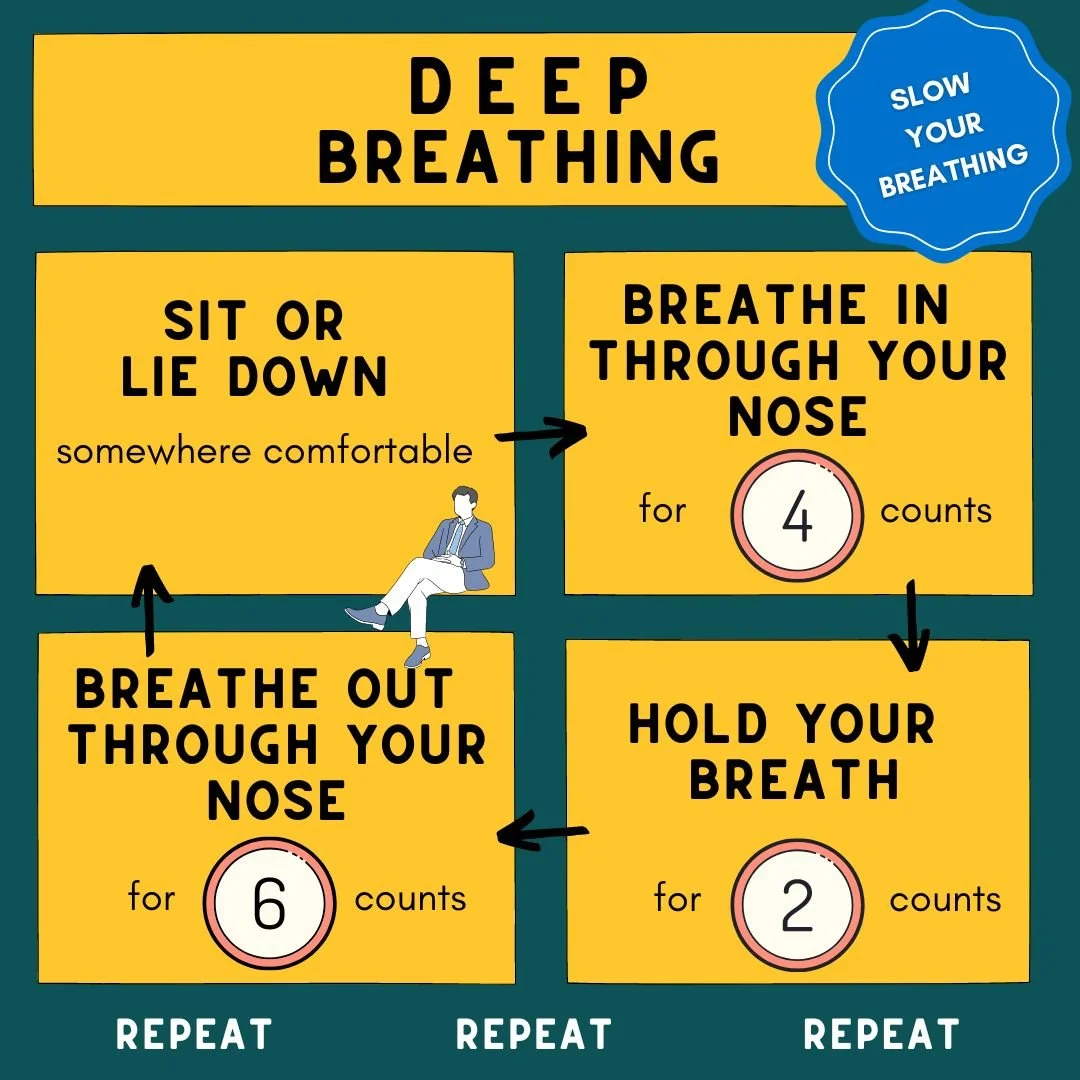
A simple method: 4-6 breathing (inhale 4 sec, exhale 6 sec) repeated for 3 minutes reduces nervous system overactivation.
External stress guide:
https://www.cdc.gov/mentalhealth/stress-coping
✅ 2. Sleep and Recovery
Mental stability depends heavily on sleep quality. Chronic sleep debt increases:
- Irritability
- Anxiety
- Poor focus
- Emotional reactivity
Support sleep by:
- Fixed sleep schedule
- Screen reduction at night
- Evening wind-down routine
- Light dinner timing
Internal guide:
https://belladhealthfitness.com/fitness
✅ 3. Mindfulness and Present Awareness
Mindfulness trains attention to stay in the present moment without overreaction. Proven benefits include:
- Reduced anxiety
- Better emotional control
- Improved concentration
- Lower stress hormones
Simple daily practice:
- 5 minutes breath observation
- Body awareness scan
- Non-judgmental thought noticing
External mindfulness overview:
https://medlineplus.gov/meditation.html
✅ 4. Physical Activity for Mental Health
Exercise is one of the most powerful mental wellness tools. Movement increases:
- Endorphins
- Serotonin activity
- Brain blood flow
- Mood stability
Even 20–30 minutes daily walking improves mental state.
Internal workout resource:
https://belladhealthfitness.com/workout-plans
✅ 5. Social and Emotional Connection
Healthy relationships protect mental health. Support systems reduce stress impact and improve resilience.
Helpful practices:
- Regular meaningful conversations
- Asking for help early
- Community participation
- Honest emotional expression
Isolation increases mental strain — connection reduces it.
Practical Daily Mental Wellness Habits
🟢 Morning Reset
- Light stretching or yoga
- Calm breathing
- Clear top 3 priorities
🟢 Midday Regulation
- Movement break
- Hydration
- Mental pause
🟢 Evening Wind-Down
- Screen reduction
- Reflection journaling
- Gratitude listing
Internal yoga resource:
https://belladhealthfitness.com/yoga
Nutrition and Mental Health Connection
Mental wellness is strongly influenced by diet quality.
Support brain function with:
- Protein intake
- Omega fats (nuts, seeds)
- B-vitamins
- Magnesium foods
- Stable blood sugar meals
Poor diet patterns increase mood instability.
Internal article:
https://belladhealthfitness.com/malnutrition
Warning Signs You Should Not Ignore
Seek professional help if there is:
- Persistent sadness
- Loss of interest
- Severe anxiety
- Sleep collapse
- Panic episodes
- Harmful thoughts
Mental wellness practices help — but they are not a replacement for professional care when symptoms are severe.
External crisis resource reference:
https://www.who.int/teams/mental-health-and-substance-use
Common Mental Wellness Mistakes
❌ Ignoring stress signals
❌ Overworking without recovery
❌ No sleep discipline
❌ No emotional expression
❌ Constant digital overload
❌ Avoiding help
Mental strength grows from skills — not suppression.
Evidence-Based Mental Wellness Works
Research-backed methods — breathing regulation, mindfulness, exercise, sleep hygiene, and nutrition — consistently improve mental resilience. Trend hacks do not replace fundamentals.
Trusted public references:
https://www.who.int
https://www.cdc.gov/mentalhealth
https://medlineplus.gov/mentalhealth.html
Final Message
Mental wellness is a daily practice, not a one-time fix. Small consistent habits — breathing, movement, mindful awareness, sleep discipline, and social connection — create strong emotional stability over time.
Protect your mind the same way you train your body. When mental wellness improves, productivity, relationships, and physical health improve with it.